Roof inspections
A documented look at your whole roof
A documented look at your roof’s condition — useful before buying or selling a home, after a storm, or just for peace of mind.
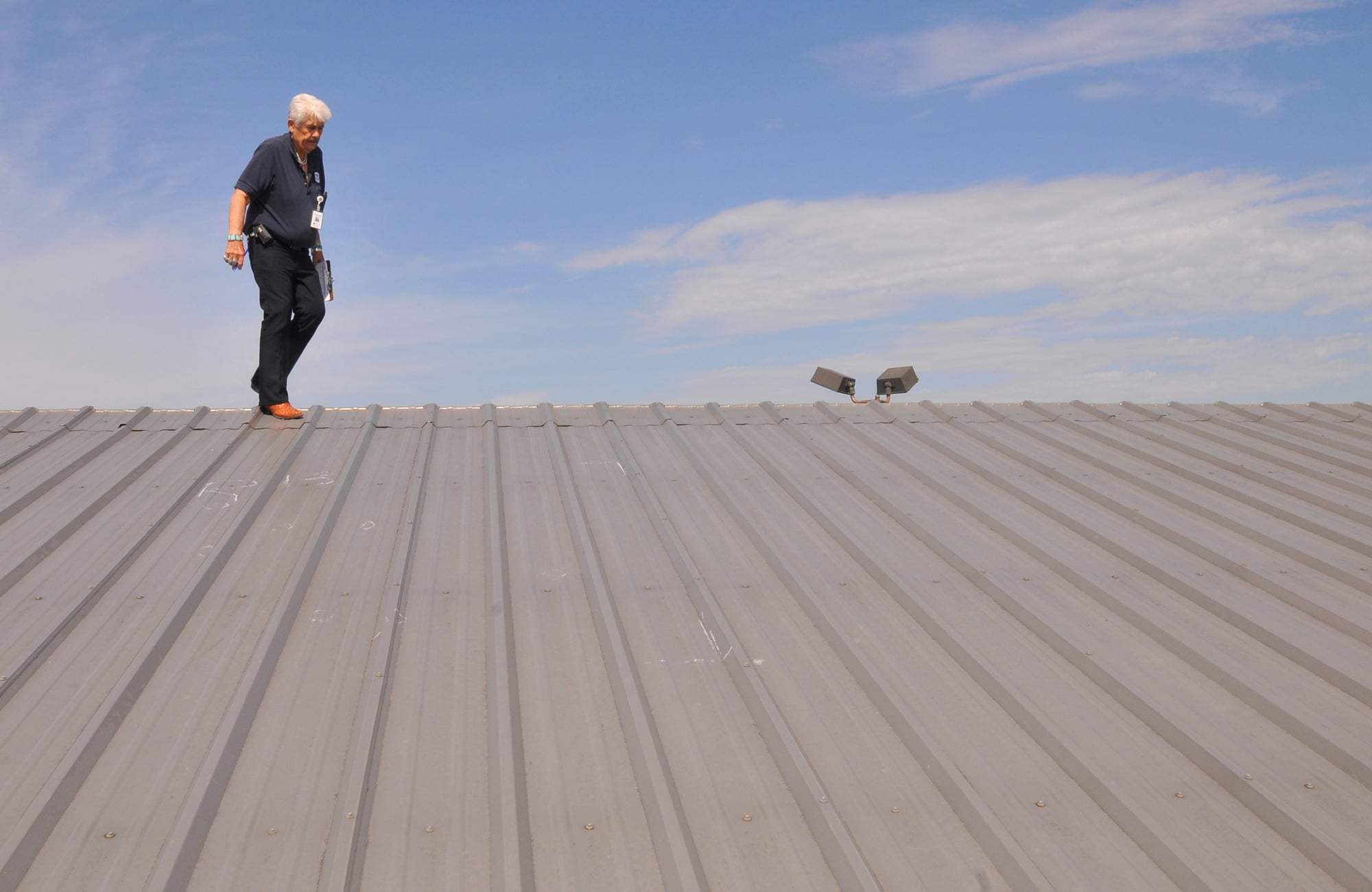
Illustrative stock photo, not a Desert Ridge project. Win Henderson / FEMA, Public domain.
When to book
Good times for an inspection
An inspection is useful whether or not you suspect a problem. These are the most common reasons to book one.
-
Before buying or selling a home
A documented look at the roof gives both sides a clearer picture of its condition before the deal is final.
-
After a monsoon storm
High winds and heavy rain can lift tiles and damage flashing in ways that are hard to see from the ground.
-
When the roof is getting older
Desert heat and UV wear down underlayment and sealants over time. Catching that early keeps repairs smaller.
-
When something looks off
A ceiling stain, a slipped tile or granules in the gutters are all worth a closer look.
The service
What we look at
An inspection is a careful, documented look at the whole roof, not only the spot that worries you. You get the findings in writing, whether the roof needs work or not.
- The surface material: tile, shingle or membrane
- Flashing, valleys and edges
- Vents and other penetrations
- Signs of leaks and water damage
- Anything the weather has loosened
Deliverables
What you receive
-
Photo-documented findings
Photos of the areas that matter, so you can see the roof the way the inspector did.
-
Plain-language written summary
What was checked, what was found and what it means, without jargon.
-
Prioritized recommendations
What needs attention now, what can wait, and what simply needs watching.
An inspection reports the condition that can be seen on the day of the visit. It is not a warranty or a guarantee of how the roof will perform in the future.
Process
How an inspection works
-
Step 1: Book the visit
Call or send the form and tell us why you want the inspection: a sale, a recent storm or something you noticed.
-
Step 2: Inspection with photos
We look at the whole roof and photograph the areas that matter.
-
Step 3: Written findings
You get a plain-language summary of what was checked and what was found.
-
Step 4: Clear recommendations
What needs attention now and what can wait. If work is needed, an itemized estimate can follow.
FAQ
Roof inspection questions
Should I have my roof checked after monsoon season?
It is a good idea. High winds and heavy rain can lift tiles, damage flashing, and reveal small leaks that get worse over time.
How does desert heat affect my roof?
Intense UV and large temperature swings can dry out underlayment, crack sealants, and wear down coatings faster than in milder climates. Regular inspections help catch these issues early.
How do I know if I need a repair or a full replacement?
It depends on the roof’s age, the material, and how widespread the damage is. After the inspection we explain both options and our recommendation, with photos so you can see the reasoning.


Ready to get started?
Want to know where your roof stands?
Request a free, no-obligation estimate. We will look at the roof, show you what we find and put the options in writing.
Texture: Dan Gold, CC0 1.0.
