Roof replacement
Roof replacement, planned around the desert
Full tear-off and replacement for tile, shingle and low-slope roofs, with material options suited to intense sun and heat.
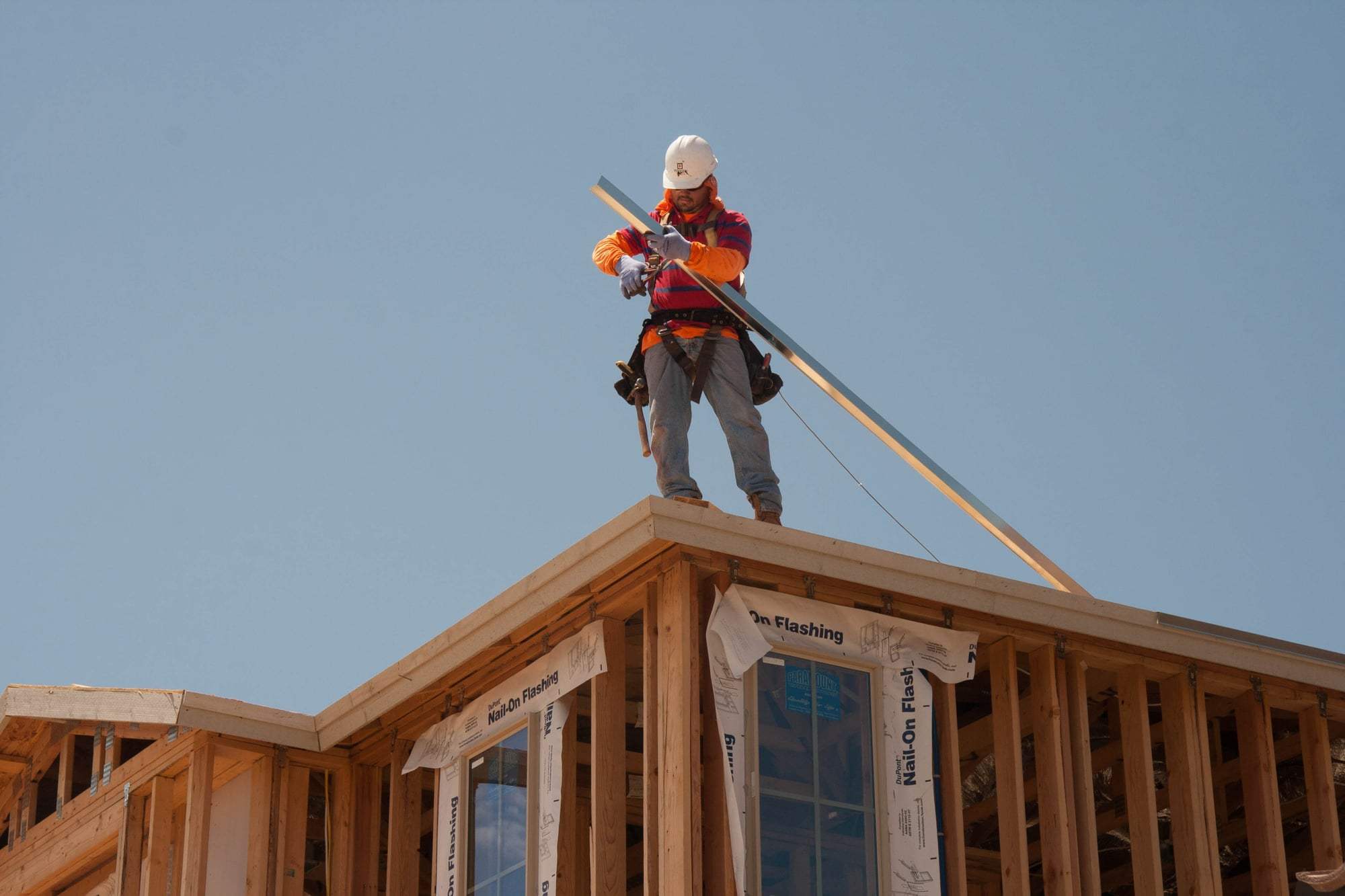
Illustrative stock photo, not a Desert Ridge project. NIOSH, Public domain.
When to consider it
Signs a replacement may make sense
These are reasons to compare replacement with repair, not automatic verdicts. The inspection decides.
-
Problems across the whole roof
When wear or damage shows up in many places, patching one spot at a time stops making sense.
-
Leaks that keep coming back
Repeated repairs in different areas can mean the roof as a whole is reaching the end of its life.
-
Worn-out underlayment under tile
Tiles can look fine while the layer beneath them, which does much of the waterproofing, has broken down.
-
Extensive storm damage
After a severe storm, a large damaged area may be better addressed with a new roof than with repairs.
-
Soft or sagging areas
Spots that feel soft or look uneven can point to damage in the decking, which needs a closer look.
-
An older roof before a big change
Before selling, buying or remodeling, it can be worth comparing repair and replacement side by side.
The work
The stages of a replacement
Every project is different, but most follow the same general path.
-
Step 1: Assessment
A full look at the roof, with photos, to confirm that replacement is the right recommendation.
-
Step 2: Written estimate and options
An itemized estimate with clear comparisons of the material options that suit your roof.
-
Step 3: Scheduling
The work is planned around desert temperatures, with early starts during the hottest months.
-
Step 4: Protection and tear-off
Landscaping and the home are protected, then the old roofing is removed and debris is contained.
-
Step 5: Decking, underlayment and install
The roof deck and underlayment are reviewed and addressed before the new roof goes on.
-
Step 6: Cleanup and walkthrough
The site is cleaned up and you get a final walkthrough of the finished work.
Materials and budget
What shapes the cost
A replacement estimate depends on the roof itself. These are the factors that move the number.
-
Roof size and pitch
Larger and steeper roofs take more material and more time.
-
The material you choose
Tile, shingle and low-slope systems differ in cost, weight and how they handle heat.
-
What has to come off
The existing material and the number of layers affect the tear-off.
-
Condition of the decking
Damaged decking found during tear-off needs to be repaired before installation.
-
Roof complexity
Valleys, skylights, chimneys and vents all add detail work.
-
Local requirements
Permits and any HOA rules can affect materials, colors and scheduling.
FAQ
Roof replacement questions
How do I know if I need a replacement instead of a repair?
It depends on the roof’s age, the material and how widespread the damage is. After the inspection we explain both options and our recommendation, with photos so you can see the reasoning.
Why is there no price list on this page?
Every roof is different. Size, pitch, material, access and the condition of the decking all change the cost, so a meaningful number starts with an on-site look and a written estimate.
Which roof systems can be replaced?
Tile, asphalt shingle, and flat or low-slope roofs. The estimate compares the options that suit your home and the desert climate.


Ready to get started?
Comparing repair and replacement?
Request a free, no-obligation estimate. We will look at the roof, show you what we find and put the options in writing.
Texture: Dan Gold, CC0 1.0.
